Neglected Land Returned to Usable Condition
Overgrown property cleanup in Moulton, Athens, Florence, and the greater Northern Alabama area for residential and commercial parcels where heavy brush, dead trees, and accumulated vegetation have made the land inaccessible or unusable
Properties that have gone unmanaged for several years—or longer—accumulate layers of growth that make the land functionally inaccessible. Thick brush closes off sight lines, dead trees create hazards, and dense vegetation prevents any assessment of what's actually on the ground beneath it. A N Property Professionals clears overgrown residential and commercial properties in Moulton, Athens, Florence, and the greater Northern Alabama area, working through heavy vegetation systematically to expose and restore the underlying land. The owner handles brush cutting and clearing personally on every job, so the work gets done without subcontracting or crew turnover mid-project.
Clearing proceeds in a logical pass sequence: heavy brush and dead trees come first, then secondary vegetation, then surface debris. This order matters because cutting smaller growth first while large trees are still standing creates additional debris fall hazards and makes the initial cutting pass less efficient. Brush is mulched in place where material volume allows, reducing the hauling requirement and leaving the ground covered rather than bare. Where volume is too heavy for mulching, material is hauled away. By the end of the job, the land underneath is visible and accessible for whatever the owner intends next—mowing, grading, construction access, or simply regular property maintenance.
Set up a free property walk to assess the current state of your land and get a clear picture of what the cleanup involves.
Why Overgrowth Progresses Faster Than It Appears From the Road
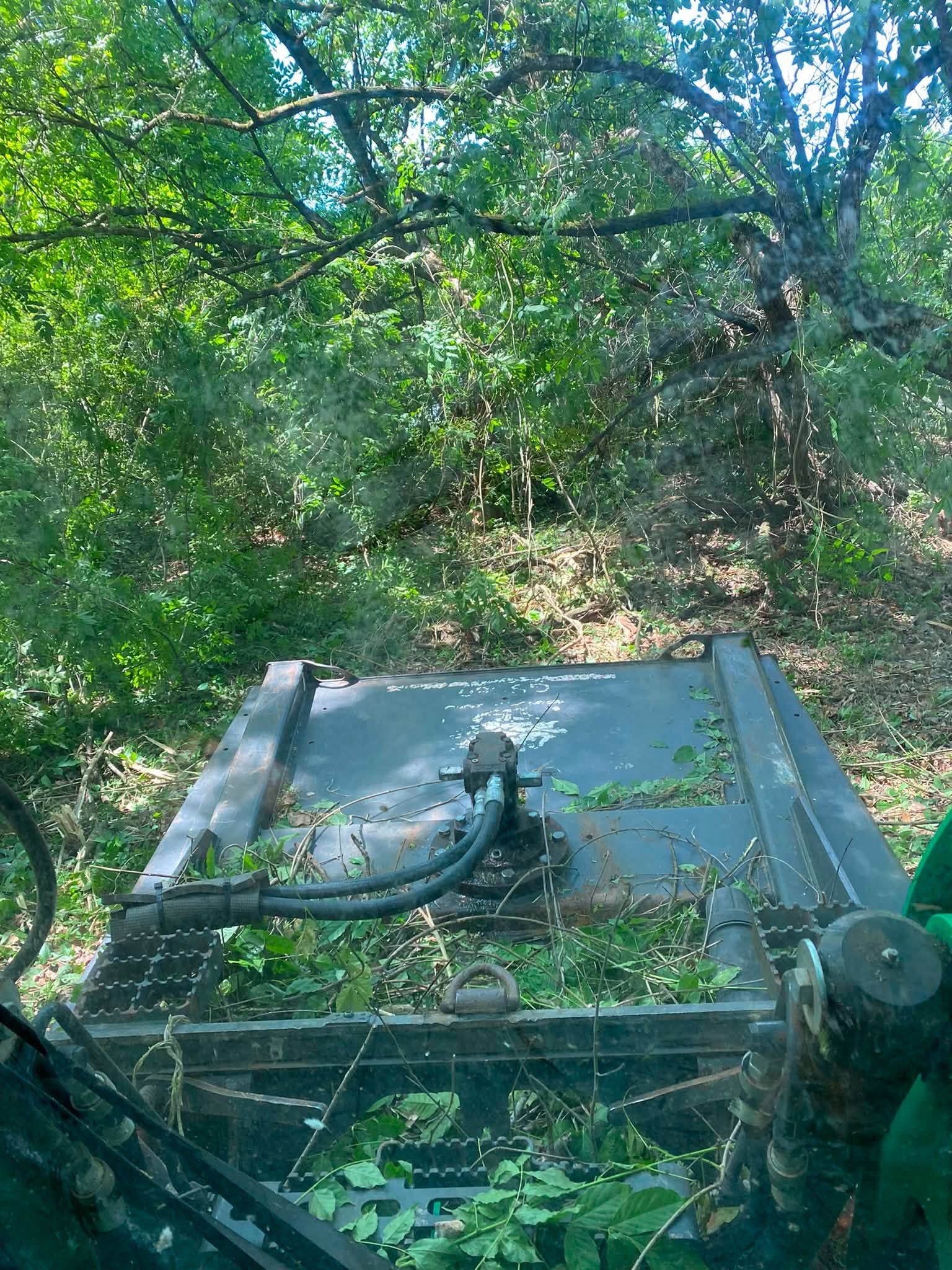
What looks like manageable brush from the road often conceals a second and third layer of growth underneath—established woody stems, vines that have climbed into and killed secondary trees, and ground-level debris that has been accumulating under the canopy for years. Clearing equipment handles the heavy cutting that hand tools can't address at scale, but the sequence of passes still matters. Starting cuts at the outer edges and working inward keeps material from falling onto already-cleared areas and requiring a second pass to move it.
Once the work is complete, the property looks and functions differently in specific, observable ways: sight lines across the parcel are restored, the perimeter is defined and accessible, and mowing equipment or foot traffic can move across the surface without obstruction. Rural properties in the Moulton area that have been vacant for extended periods frequently have boundary lines that are no longer visible from the interior—clearing work often restores that visual boundary for the first time in years, which matters for owners who need to confirm property lines before any next use.
Heavy brush cleanup is distinct from routine mowing or lawn maintenance. The equipment and approach required for dense multi-year growth differs from what a standard landscaping crew carries, and treating an overgrown parcel as a mowing job consistently produces incomplete results where the heaviest vegetation is left standing or cut to a stub rather than cleared to the ground.
Questions Before Starting Your Cleanup Project
These questions address what overgrown property cleanup involves, how the work is sequenced, and what the finished property looks like compared to its condition before clearing begins.
How does the clearing crew determine where to start on a heavily overgrown parcel?
Work typically begins at the accessible edge and moves inward in planned passes, which keeps the equipment exit path clear and allows cut material to fall away from the already-cleared area rather than back onto it.
What happens to the brush and debris after it is cut?
Material that can be mulched is processed in place using a brush cutter or mulching head, reducing bulk and leaving organic cover on the ground. Heavier material—large-diameter logs, stumps, and debris that won't mulch cleanly—is hauled off the property as part of the cleanup scope.
When does a property qualify as overgrown rather than just unmaintained?
Properties with brush taller than mowing equipment can process, established woody stems over an inch in diameter throughout the stand, or canopy growth that prevents equipment access to the ground layer require clearing methods rather than standard mowing. That threshold is assessed during the site walk before work begins.
What should the property look like when cleanup is finished?
Ground level should be visible and accessible across the cleared area, with no standing brush or dead trees remaining. The surface may still have mulched material from the cutting process, but equipment, foot traffic, and sight lines should be fully restored.
How does the age and density of overgrowth on North Alabama-area rural properties affect how long the clearing takes?
Properties that have gone unmanaged for five or more years typically have multiple interlocked growth layers and established root systems that slow the cutting pace compared to properties with two or three years of growth. The site walk gives a clear picture of which category your property falls into before any work begins.
A N Property Professionals offers free quotes on overgrown property cleanup—walk the land with the owner before scheduling to confirm the clearing scope and debris handling approach. A N Property Professionals also clears overgrown properties in Hartselle, Decatur, Athens, Cullman, and Russellville.